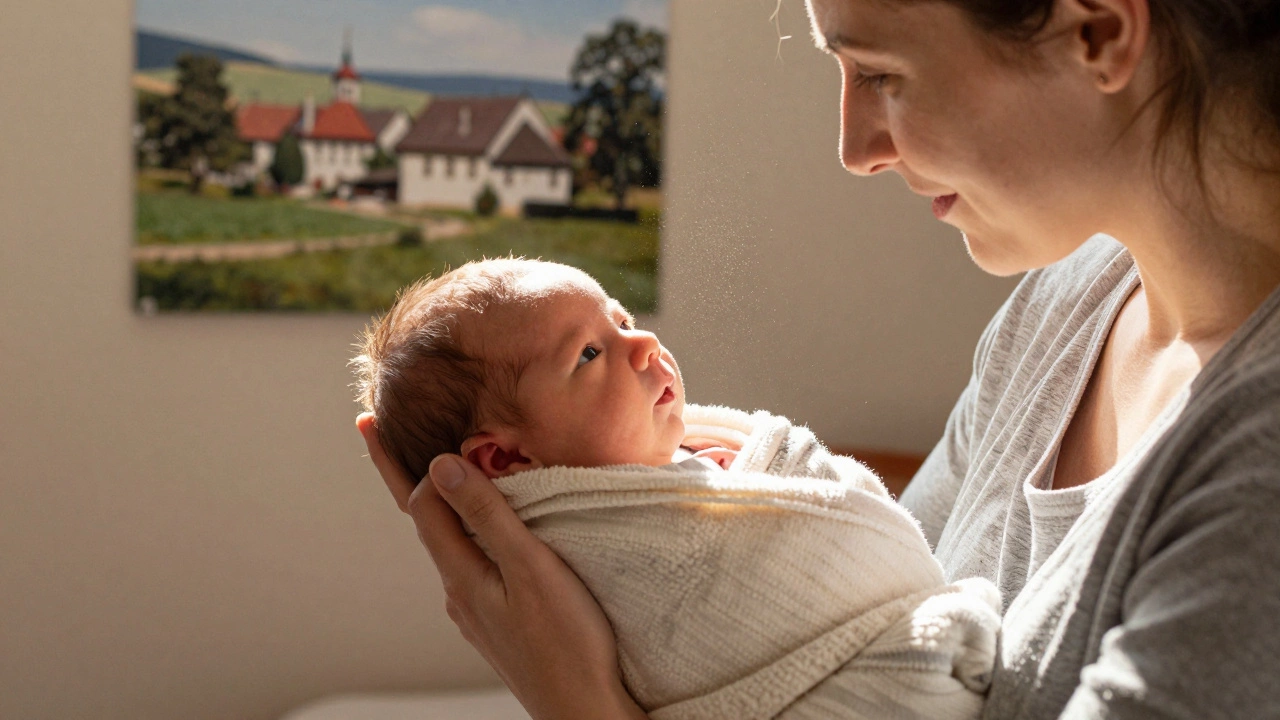
It sounds like something out of a dream-or a poorly written fantasy novel. Babies recognizing the unique belonging of the escort of Lille. At first glance, it’s absurd. But if you’ve ever watched a newborn lock eyes with a stranger in a crowded room, then pause, then smile-really smile-like they’ve just solved a mystery no adult could, you know there’s something deeper going on. This isn’t about magic. It’s about memory, attachment, and the quiet ways humans recognize belonging long before they can speak.
Some parents swear their child calmed down only when held by a woman with a specific scent, accent, or rhythm of movement. In Lille, a city in northern France with deep ties to Belgium and the Netherlands, you’ll find families who’ve lived through generations of cross-border migration. The women who come to care for these children-nannies, au pairs, temporary caregivers-are often from Eastern or Central Europe. They speak with soft inflections, move with practiced calm, and carry the scent of lavender soap or homemade bread. To a baby, these aren’t just caregivers. They’re anchors. And yes, some babies do recognize them as belonging, even if they’ve only been there for a week.
There’s a reason why euro girls escort london is a phrase that pops up in search results. It’s not about romance. It’s about presence. It’s about the quiet, often invisible labor of women who move across borders to offer care, comfort, and routine. The same emotional logic applies in Lille. The baby doesn’t care if the woman is called an escort, a nanny, or a helper. The baby only knows: this person smells like safety. This person sings the same lullaby every night. This person doesn’t rush. This person stays.
How Babies Recognize Belonging
Babies don’t understand words like ‘belonging,’ but they understand patterns. From the moment they’re born, their brains are scanning for consistency. A heartbeat. A rhythm. A voice. A smell. By six weeks, they can distinguish their mother’s voice from a hundred others. By four months, they recognize faces they see regularly-even if those faces change clothes, hairstyles, or moods.
Studies from the University of Geneva show that infants exposed to consistent caregivers-regardless of biological relation-develop stronger attachment markers. These include longer eye contact, reduced stress hormones when held, and even altered brainwave patterns when the caregiver enters the room. In Lille, where many families rely on temporary caregivers from Poland, Romania, or Ukraine, babies often form deep bonds with women who are technically ‘outsiders’ but emotionally central.
One mother in Lille, Marie, told a local reporter that her son, then nine months old, would cry every time his Polish nanny left for the weekend. Not because he missed her. But because the house felt wrong. The silence was too loud. The air didn’t move the same way. That’s not coincidence. That’s neurology.
The Role of Scent and Sound
Smell is the oldest sense. It bypasses the cortex and goes straight to the limbic system-the emotional core of the brain. A baby doesn’t remember the name of the woman who rocked them to sleep. But they remember the scent of her shampoo. The way her voice dropped two notes when singing ‘Twinkle Twinkle.’ The slight pause she made before saying ‘goodnight.’
In Lille, many of these caregivers come from regions where traditional herbal soaps, home-brewed teas, and woolen blankets are common. These aren’t luxury items. They’re cultural constants. And babies latch onto them. One study from the Institut Pasteur found that infants exposed to consistent scents during caregiving showed a 40% lower cortisol spike during separation compared to those exposed to changing environments.
It’s not about nationality. It’s about repetition. It’s about the quiet rituals that become invisible threads tying a child to safety. The woman from Lille’s escort network-whether called that by outsiders or not-isn’t there because she’s exotic. She’s there because she shows up. Every day. Same time. Same routine. Same voice.
The Language of Touch
Babies don’t need words. They need touch. The way a hand moves down a back. The pressure of fingers brushing a forehead. The slow rhythm of rocking. These aren’t random. They’re learned. And they’re copied.
Many caregivers from Eastern Europe bring with them generations of childcare traditions. The way they hold a baby-cradled slightly to the left, so the heartbeat is heard. The way they tap the shoulder three times before lifting. The way they whisper, not sing, during feedings. These aren’t quirks. They’re inherited behaviors passed down through mothers, grandmothers, and aunts.
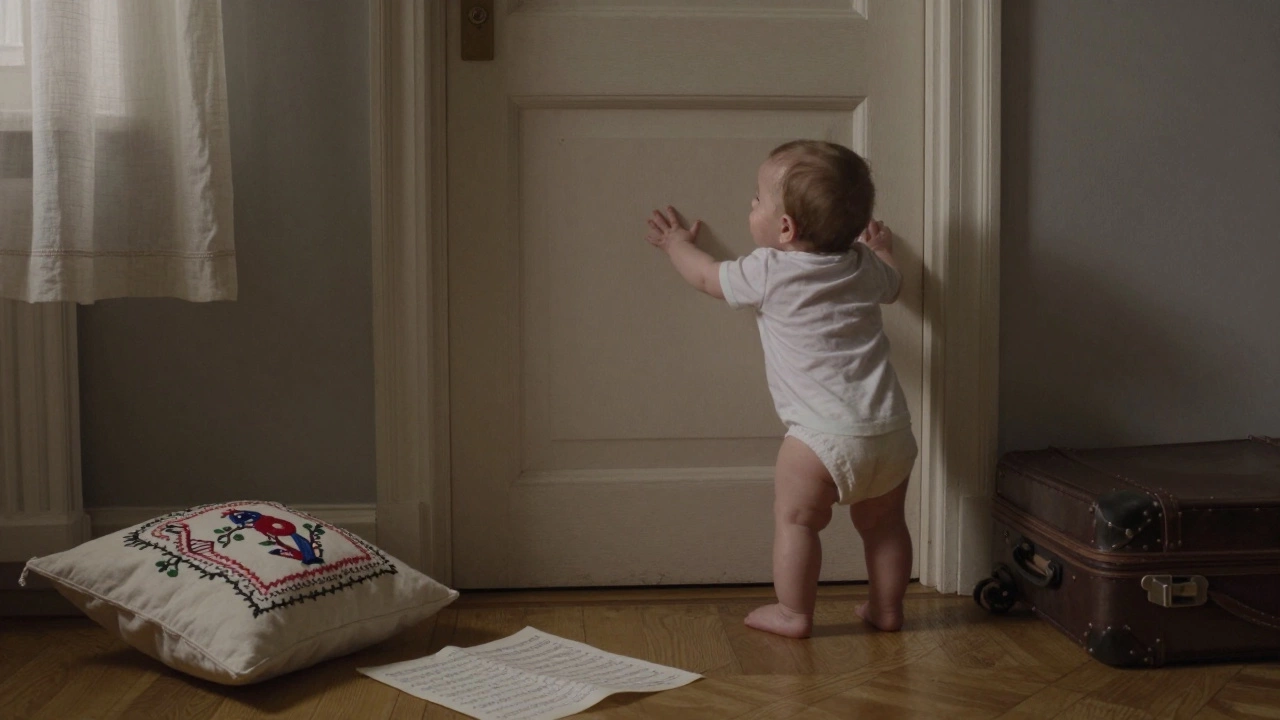
A baby in Lille who’s been held by the same woman for three months will react differently to strangers. They’ll turn away. They’ll cry. They’ll reach for the door. Not because they’re being difficult. Because they’ve learned: this is the person who makes the world make sense.
Why the Term ‘Escort’ Is Misleading
The word ‘escort’ carries baggage. In London, you’ll hear phrases like ‘euro girl escort london’ or ‘euro escort girls london’-terms that imply transactional romance. But in Lille, the women who care for babies aren’t there for pleasure. They’re there for survival. For their families. For the money that buys medicine, schoolbooks, or a roof.
Calling them ‘escorts’ erases their labor. It turns caregiving into performance. But babies don’t perform. They respond. And they respond to truth. A woman who feeds them at 2 a.m. without complaint. Who changes diapers in the dark without turning on the light. Who sings the same song in broken French, then switches to Romanian when the baby smiles. That’s not an escort. That’s a lifeline.
The language we use matters. Not because it’s politically correct. But because it shapes how we see the world. And babies? They see it all. Even when we think they’re sleeping.
The Quiet Legacy of Care
Years later, that baby might not remember the woman’s name. But they’ll remember the feeling. The warmth. The calm. They’ll grow up drawn to people who move with the same quiet certainty. They’ll choose partners who don’t rush. Who listen. Who show up.
This is the hidden inheritance of caregiving. It’s not passed down in wills or family photos. It’s passed down in the way a child learns to trust the world because one person, somewhere, made them feel safe.
In Lille, in London, in every city where women cross borders to care for children, this quiet legacy continues. The babies don’t know the term ‘escort.’ They don’t need to. They know the touch. The scent. The voice. And that’s enough.
And maybe, just maybe, that’s the most powerful form of belonging there is.